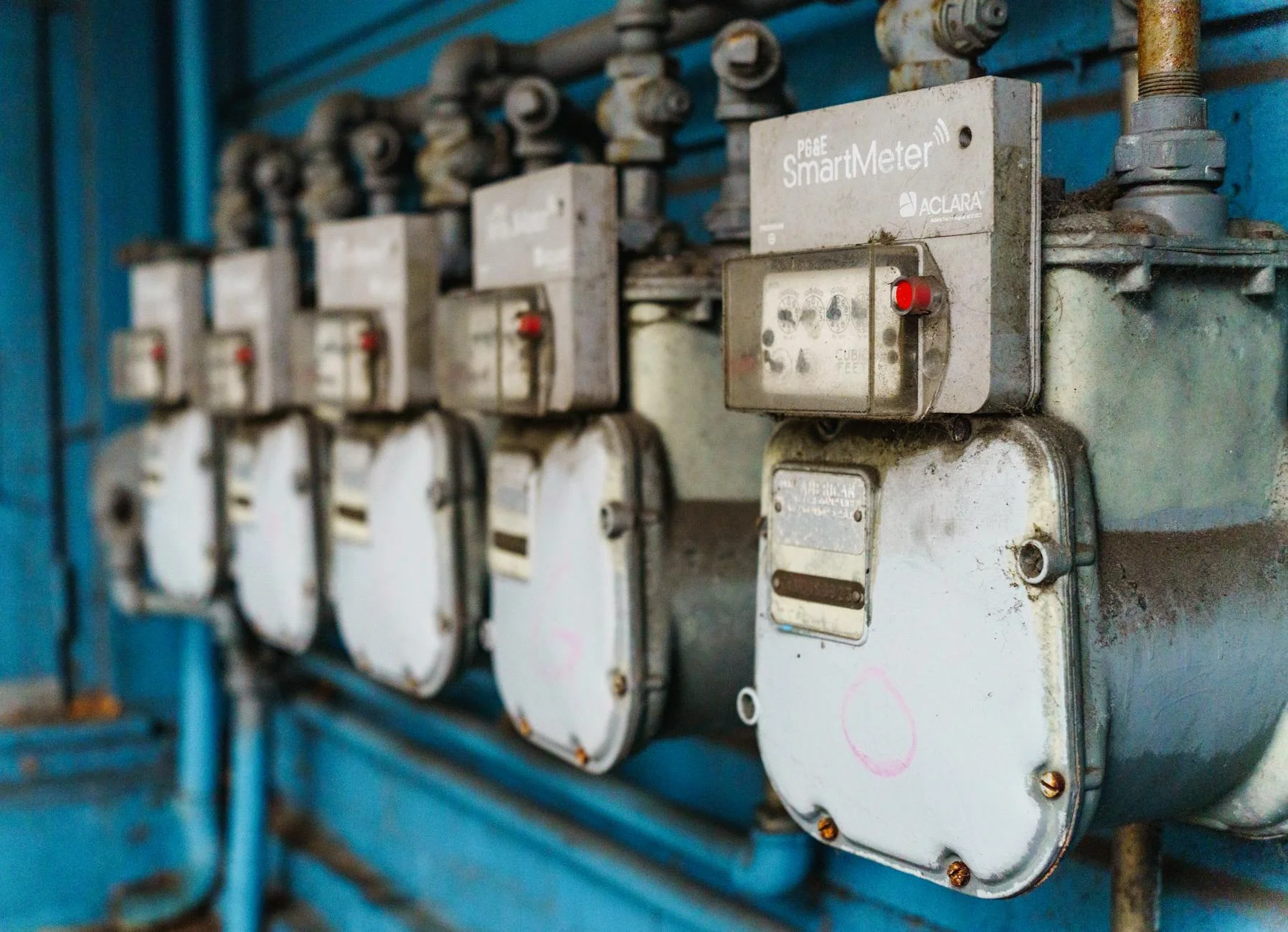
The end of the regulated gas tariff
The CRE states that gas supply contracts at the regulated tariff (TRVG) ended on June 30, 2023. energie-info.fr links the end of the regulated gas tariffs to the Energy and Climate Law of November 8, 2019, published on Légifrance.
According to energie-info.fr, customers who took no action were switched on July 1, 2023 to a market offer from their historic supplier. A household that moves to a new supplier today signs a market contract.
Electricity is a separate topic. For that side, see our guide to the regulated electricity tariff.
Suppliers and the distribution network
A distribution network operator delivers the gas whichever supplier you choose, and energie-info.fr states that there is no risk of supply interruption when you switch supplier.
This guide does not list individual supplier offers or prices. They change often, and none could be confirmed against the supplier's own public page for this update. To compare offers, use the comparator and the consumer information published by the Médiateur national de l'énergie at energie-info.fr.
CRE reference price
The French Energy Regulatory Commission (CRE) publishes a reference price (prix repère) for natural gas sold to residential customers.
CRE reference price, October 2026
EUR 182.88/MWh including VAT.
Source: the CRE reference price page, updated September 10, 2026 and accessed October 6, 2026. A CRE news item dated September 10, 2026 reports that the reference price rises by 6.3% including VAT on October 1, 2026.
Earlier editions of this page quoted a June 2026 reference price, per-usage subscription and kWh rates, and annual cost estimates by consumption profile. The June 2026 figure is not available on the current CRE page, so those figures were removed instead of being carried forward.
How to switch supplier step by step
Switching is free: according to energie-info.fr, no fee can be charged solely because you change supplier, and the network operator keeps delivering gas whichever supplier you choose. The four steps below follow the same source.
Step 1: Gather your PCE number and your last bill
The PCE is the 14-digit gas meter code on your bill (energie-info.fr). Your consumption helps you compare offers.
Step 2: Compare offers with the CRE reference price
Check the current reference price on cre.fr and the comparator on energie-info.fr. energie-info.fr suggests comparing price, price evolution, associated services and possible fees.
Step 3: Subscribe with the new supplier
It is enough to subscribe a contract with the new supplier and give a changeover date: the old contract ends automatically (energie-info.fr).
Step 4: Check the first bill
If you give a self-read index, the network operator calculates an estimated index at the switch date and sends it to both suppliers for billing (energie-info.fr).
Related: the same logic applies to electricity. See ourhow to switch electricity provider guide.
If you are new to France
Newcomers do not inherit a regulated tariff: the regulated gas tariff ended on June 30, 2023, and you choose the supplier. Two protections matter most when you sign your first contract: energie-info.fr states that you are not locked into any commitment period, and a 14-day withdrawal period applies after a distance or doorstep subscription (Consumer Code, Art. L221-18). Both are detailed in the questions below.
This guide cannot yet answer three questions: which documents a given supplier asks for, whether a passport or a foreign residence document is accepted, and whether a supplier serves customers in English. None of them could be confirmed from an official source or from the supplier's own page for this update, so none is listed. Ask the supplier before you sign, and keep the answer in writing.
If something goes wrong
The Médiateur national de l'énergie asks you to send a written complaint to your supplier or network operator and to wait two months. Its mediation is free of charge.
- Phone: 0 800 112 212 (Mon-Fri 8:30-18:00)
- Consumer information: energie-info.fr
For wider consumer rights, see our consumer rights guide.
Frequently asked questions
Is switching gas supplier free?
Yes. According to energie-info.fr, no fee can be charged to you solely because you change supplier, you only have to subscribe a contract with the new supplier, and the old contract ends automatically. energie-info.fr also states that you are not locked into any commitment period.
Can I withdraw after signing a gas contract online?
Yes. Article L221-18 of the Consumer Code gives you 14 days to withdraw from a contract concluded at a distance, following telephone canvassing or off-premises, without giving a reason.
Is there still a regulated gas tariff?
No. The CRE states that gas supply contracts at the regulated tariff (TRVG) ended on 30 June 2023. energie-info.fr adds that customers who took no action were switched on 1 July 2023 to a market offer from their historic supplier.
What is the CRE reference price for gas?
The CRE reference price (prix repère) for natural gas sold to residential customers is 182.88 EUR/MWh including VAT for October 2026, on a CRE page updated on 10 September 2026. A CRE news item of the same date reports a 6.3% increase including VAT on 1 October 2026.
Which number do I need to switch gas supplier?
For gas you give your PCE number, a 14-digit code found on your bill, and a changeover date (energie-info.fr).
Who can I call for a dispute with my supplier?
Send a written complaint to your supplier or network operator and wait two months. You can then contact the Médiateur national de l’énergie free of charge on 0 800 112 212, online or by post.
Official sources (accessed October 6, 2026)
- CRE, reference price for natural gas (residential customers): https://www.cre.fr/consommateurs/prix-reperes-et-references/prix-repere-de-vente-de-gaz-naturel-a-destination-des-clients-residentiels.html
- CRE, news and press releases: https://www.cre.fr/actualites/
- energie-info.fr, end of regulated gas tariffs: https://www.energie-info.fr/fiche_pratique/les-tarifs-reglementes-de-gaz-naturel-vont-disparaitre-le-1er-juillet-2023/
- energie-info.fr, switching electricity or gas supplier: https://www.energie-info.fr/fiche_pratique/je-souhaite-changer-de-fournisseur-delectricite-ou-de-gaz-naturel/
- Légifrance, Energy and Climate Law no. 2019-1147 of November 8, 2019: https://www.legifrance.gouv.fr/jorf/id/JORFTEXT000039355955
- Légifrance, Consumer Code article L221-18: https://www.legifrance.gouv.fr/codes/article_lc/LEGIARTI000032226842
- Médiateur national de l’énergie, how to contact the mediator: https://www.energie-mediateur.fr/je-contacte-le-mediateur-national-de-lenergie/
Related articles
Disclaimer: This article is for information only and is not financial or energy advice. Check current prices with suppliers and on the CRE website (cre.fr) before you decide.
Written by Yasin Baytürk, publisher of comparatif24.fr